


Reliable Medical

Complete Healthcare

Serving Hospitals

Professional Assistance
Gearing up something amazing for you…
Still waiting? Magic takes a moment! ✨
Spectrum Medical provides trusted healthcare solutions, quality medical products, and reliable services for better patient care.
| Product Details | ||||||||||||||||||||||
|---|---|---|---|---|---|---|---|---|---|---|---|---|---|---|---|---|---|---|---|---|---|---|
|
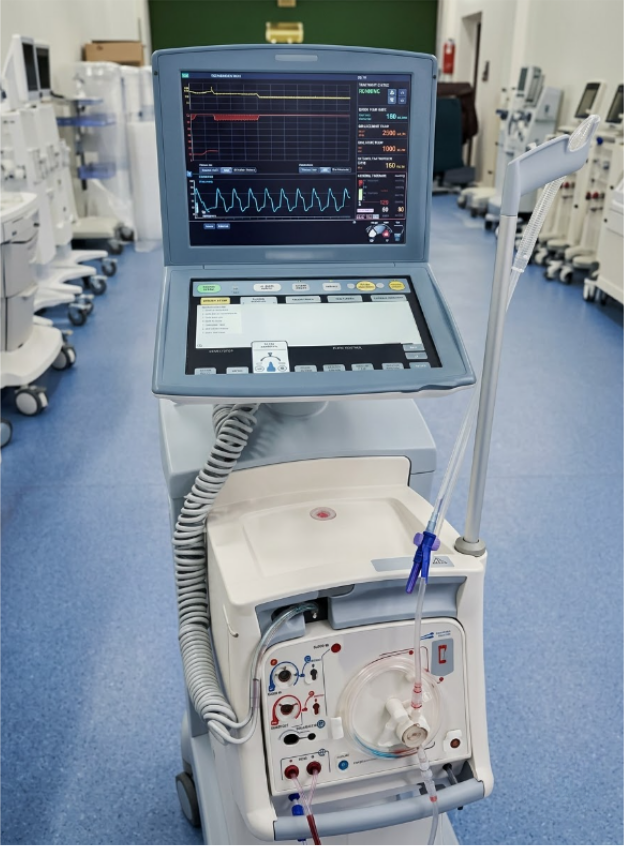
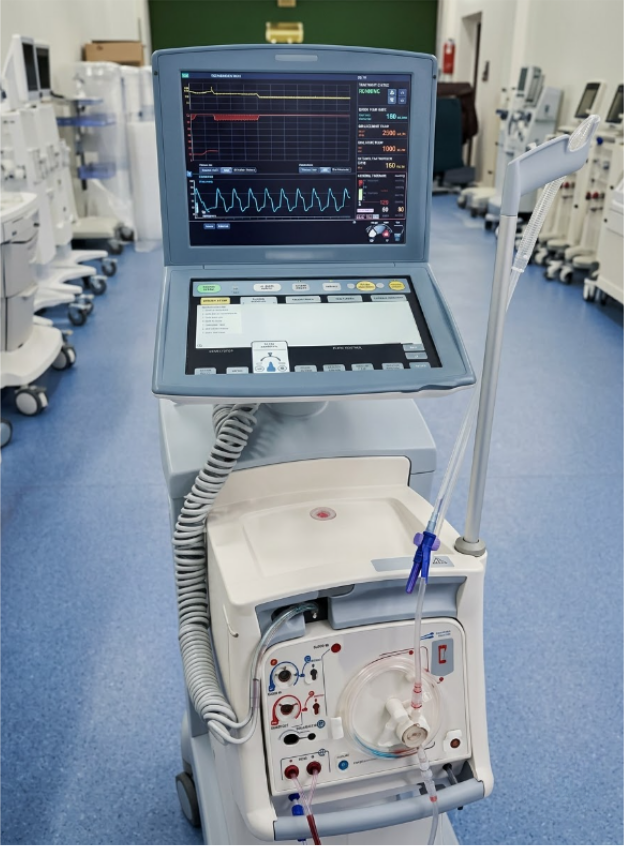
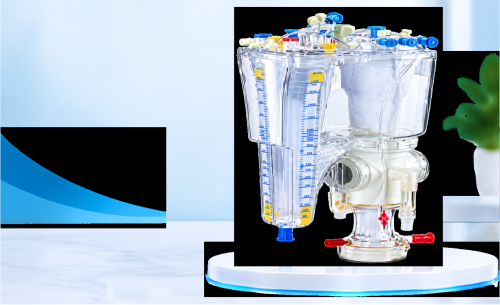
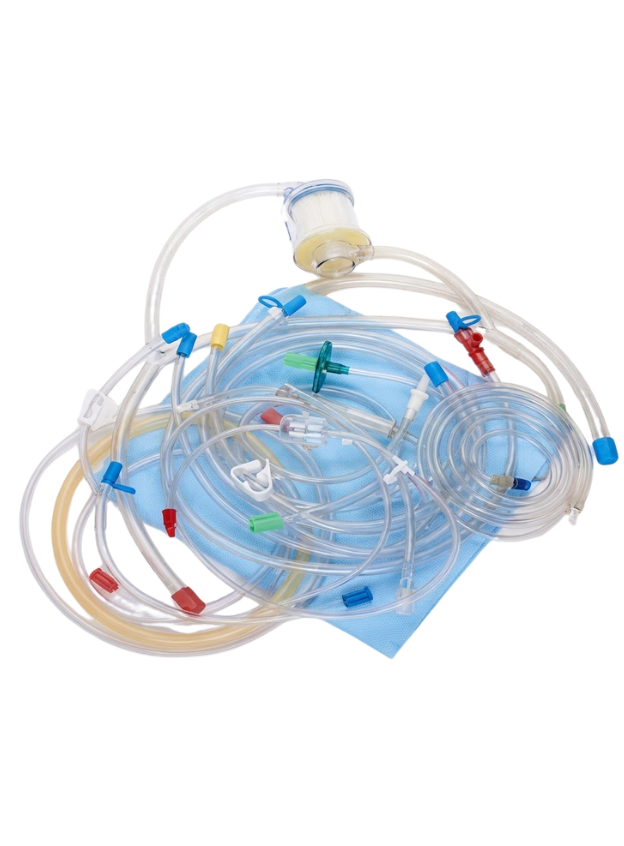
Membrane Oxygenator is a specialized medical device used in extracorporeal circulation systems to perform the essential functions of the lungs by adding oxygen to blood and removing carbon dioxide. It is commonly used during cardiopulmonary bypass procedures, particularly in cardiac surgery, where the patient’s natural heart and lung functions may need temporary support. The oxygenator uses a semi-permeable membrane that separates blood from the gas mixture, allowing oxygen and carbon dioxide to diffuse across the membrane without direct blood-to-gas contact. This design supports efficient and controlled gas exchange while helping maintain appropriate blood oxygenation and carbon dioxide removal.
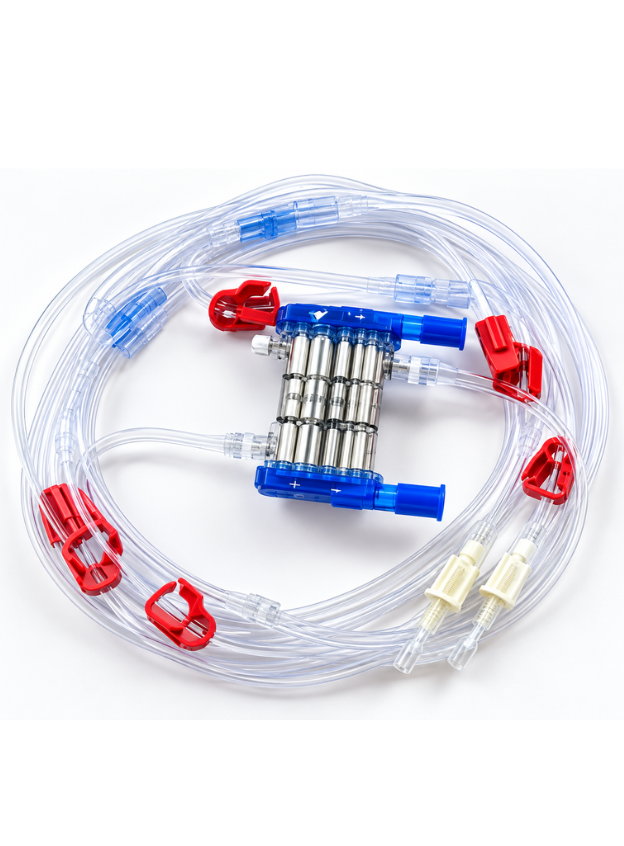
A typical membrane oxygenator may incorporate a heat exchanger, blood inlet and outlet connections, gas inlet and outlet ports, and monitoring or sampling points. The integrated heat exchanger can help regulate blood temperature during extracorporeal circulation. Its compact and efficient design allows integration with heart-lung machines and other extracorporeal circuits. Membrane oxygenators are valued for reliable gas-transfer performance, controlled oxygen delivery, and effective carbon dioxide elimination. Because they are used in critical clinical environments, selection, setup, monitoring, and operation should be performed by appropriately trained medical professionals in accordance with the device manufacturer's instructions and applicable clinical protocols.
| Product Details | ||||||||||||||||||||||
|---|---|---|---|---|---|---|---|---|---|---|---|---|---|---|---|---|---|---|---|---|---|---|
|


















.png)
.png)
.png)

.png)

.png)
.png)
.png)
.png)

.png)

.png)
.png)